Tutankhamun's Death Mask
Valley of the Kings, Egypt · c. 1323 BCE
The pharaoh's funerary mask is inlaid with lapis across the brow stripes, eyebrows and eye surrounds — every gram of it carried more than 4,000 km from Sar-i Sang.
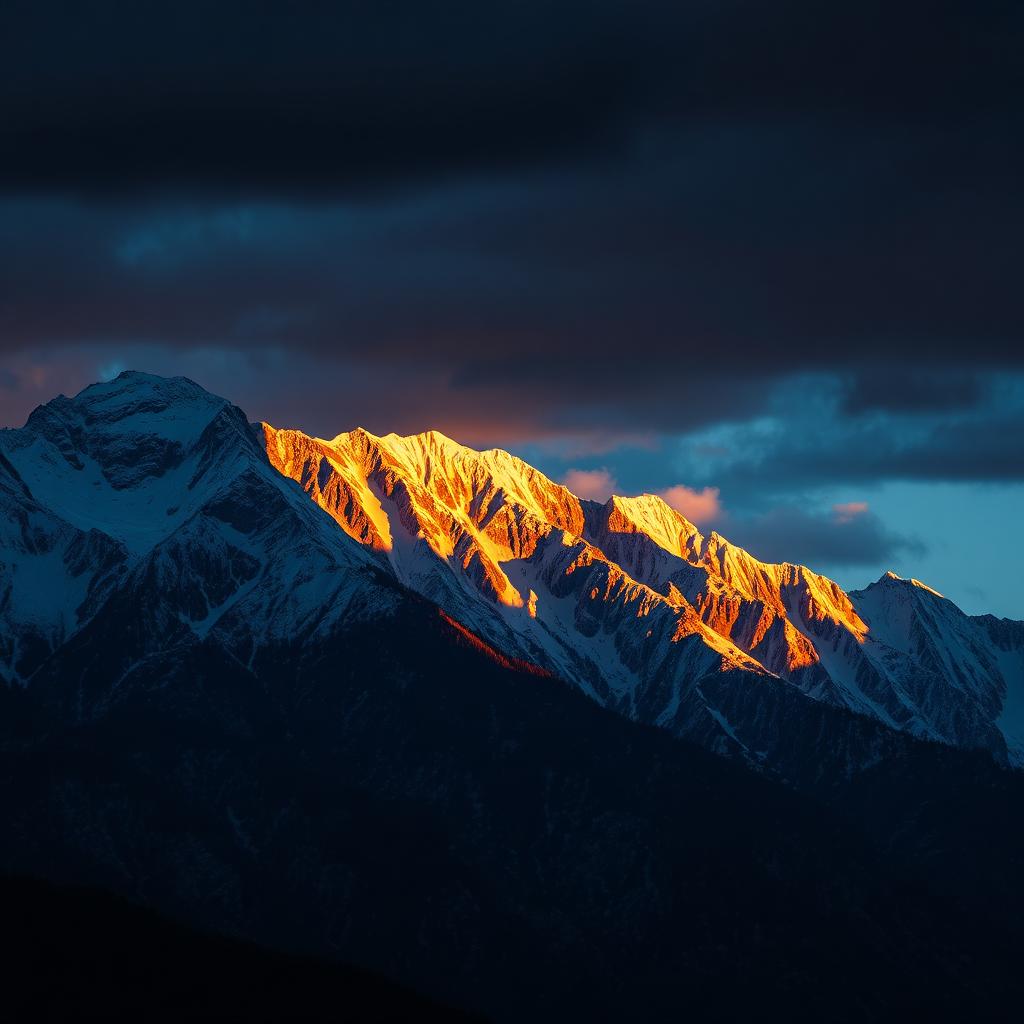
For seventy centuries, one valley in the Hindu Kush has produced the finest lapis lazuli on earth. We bring it — honestly, and unhurried — from mountain to hand.
Long before it had a name, lapis lazuli was already treasure. Beads from Sar-i Sang have been unearthed in Neolithic burials at Mehrgarh. It travelled the ancient trade routes from the Pamirs to Mesopotamia, Egypt, the Indus and Rome — the oldest global commodity in history.
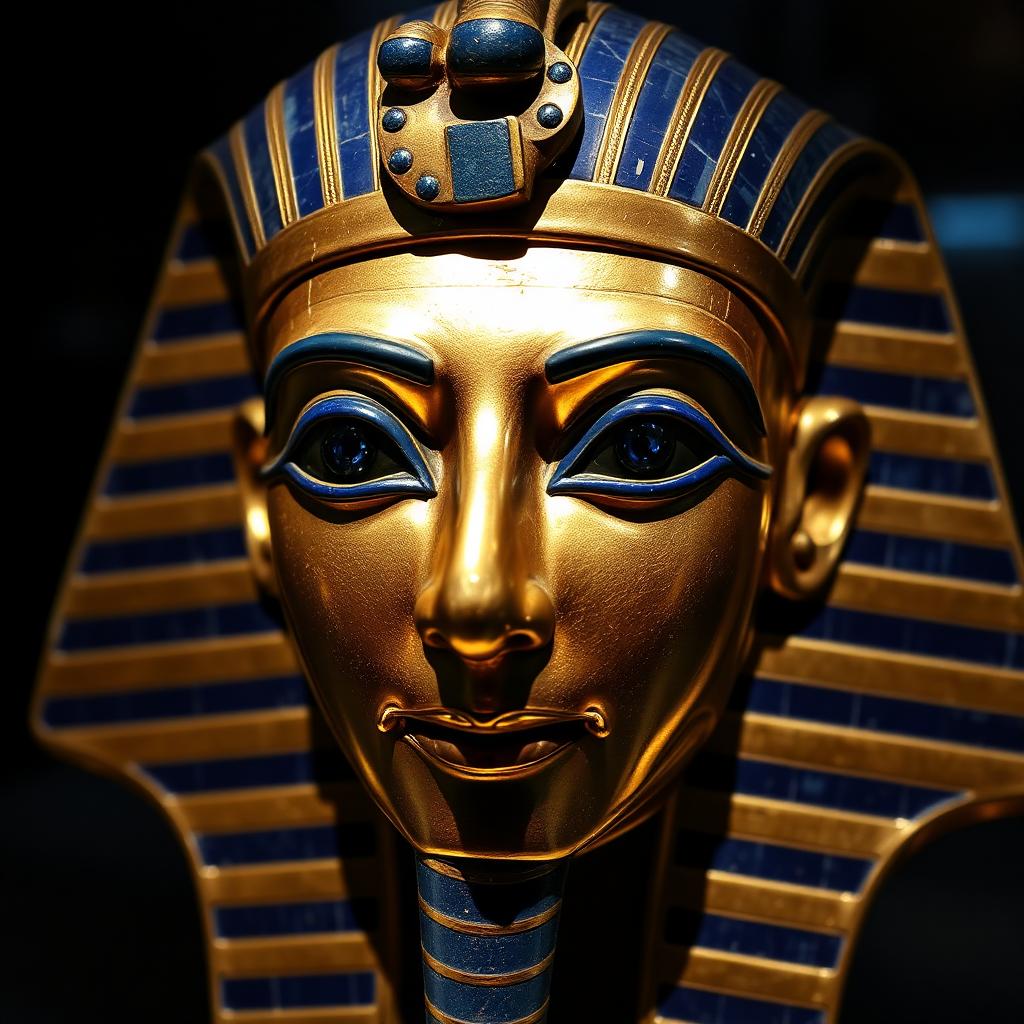
Ground into the eye-liner of Cleopatra and inlaid across Tutankhamun's death mask — the color of the sky-god Nut.
Cylinder seals, the ram-in-a-thicket, and the Standard of Ur — the courts of Mesopotamia adorned themselves in Pamir blue.
Ground to ultramarine, more costly than gold. Reserved by contract for the Virgin's robe in every Titian and Vermeer.
Almost every great lapis object in the world's museums traces back to a single valley in Badakhshan. These are the pieces that made the stone legendary.
The pharaoh's funerary mask is inlaid with lapis across the brow stripes, eyebrows and eye surrounds — every gram of it carried more than 4,000 km from Sar-i Sang.
A hollow box of shell, red limestone and lapis mosaic depicting war and peace — the most famous surviving Sumerian object, and pure Badakhshan blue.
Gold leaf over wood, with a fleece of carved lapis curls and lapis horns. Two were buried in the Great Death Pit; one is in the British Museum.
Vermeer's headscarf is natural ultramarine — ground lapis he could barely afford, layered over underpaint to reach that impossible saturation.
Michelangelo reserved ultramarine for the most sacred passages; contracts of the era specified lapis by weight, priced against gold.
Pietra dura panels of the Taj Mahal and Mughal courts set lapis flowers into white marble — blue petals that have not faded in four hundred years.
Romanov interiors clad columns, tabletops and vases in Russian-technique lapis veneer, a mosaic so fine the seams vanish.
Personal signatures of kings and merchants, carved into lapis cylinders and rolled across wet clay — the world's first branded identity.
Gold leaves, carnelian and lapis beads layered into a crown recovered from the queen's untouched tomb.
At 2,700 meters above sea level in the Sar-i Sang valley of Badakhshan, Afghanistan, veins of lapis have been struck for over 7,000 years. Ours is the oldest continuously worked mine on earth.
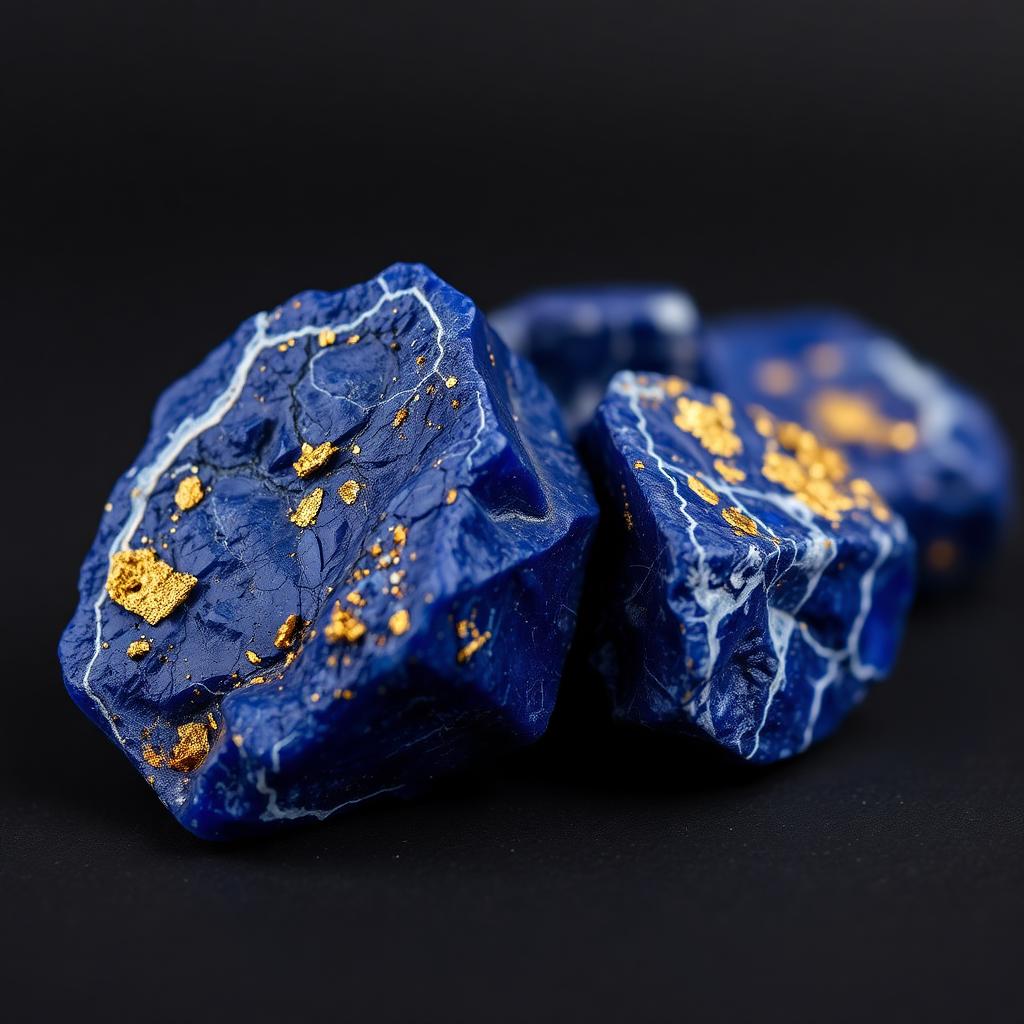
Miners work by hand and small charge, following the blue seam through white marble. Roughs are lowered on mule back down the passes before the snows close the route each autumn.
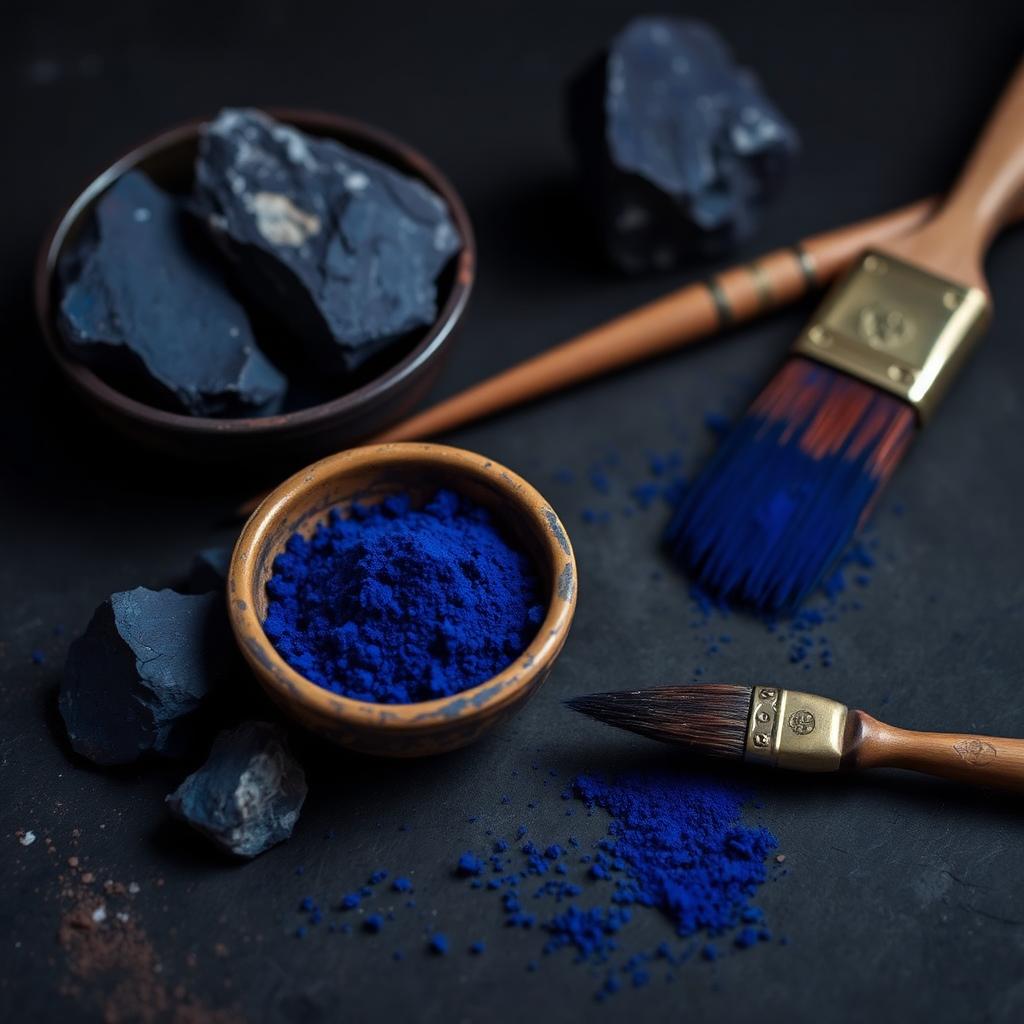
In our atelier, every kilo is inspected. Only stone with saturated ultramarine, minimal calcite and a fine dusting of pyrite is passed to the master cutters.
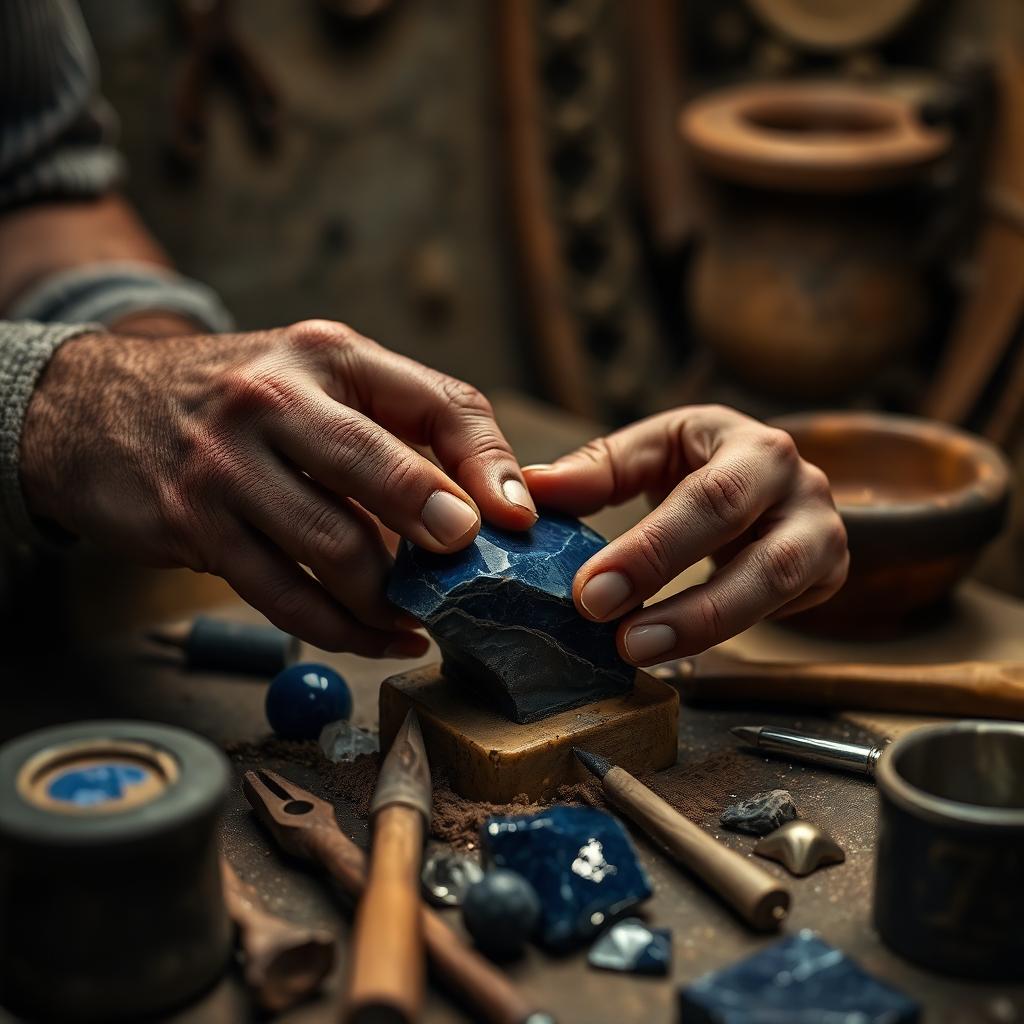
Artisans — many trained by their fathers — shape each piece with diamond wheels, files, and finally the patient friction of leather and cerium oxide.
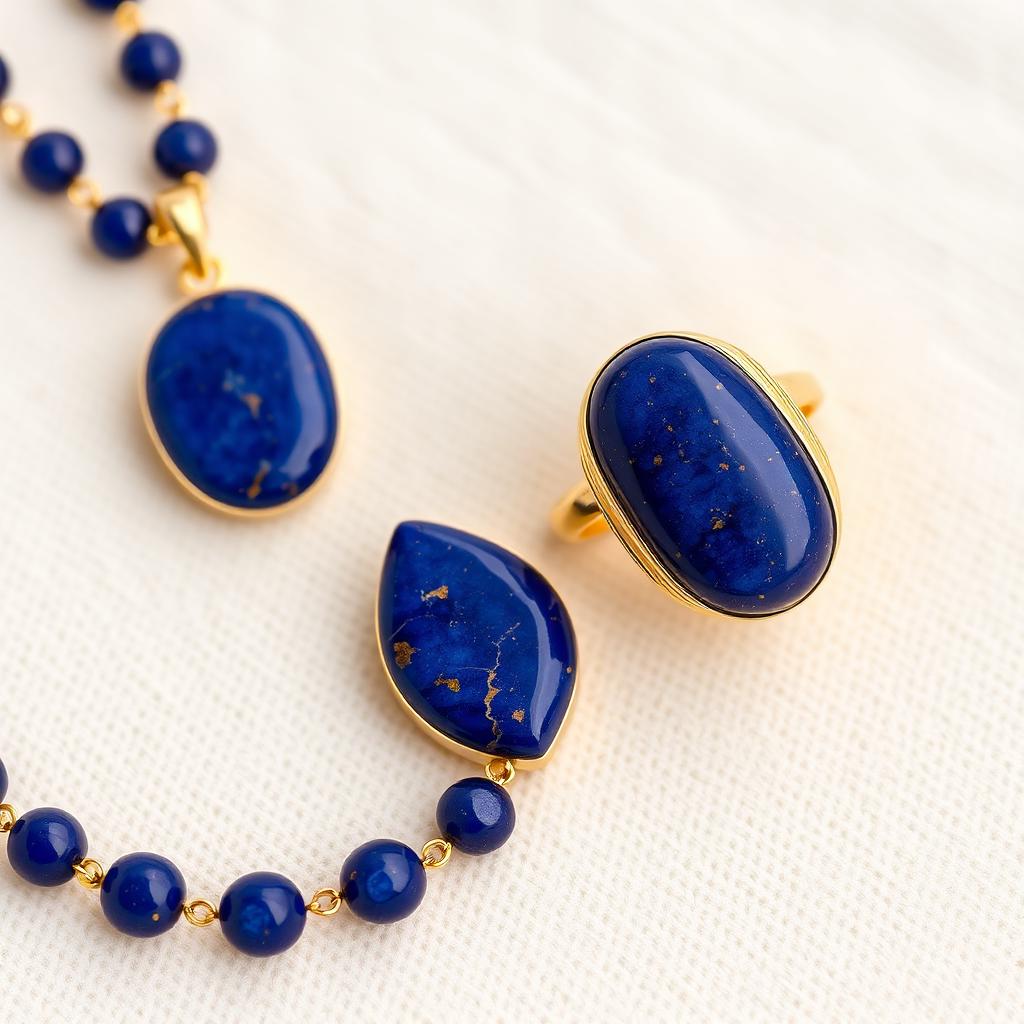
Goldsmiths and designers meet the finished stone. Bezel, prong, inlay — every setting is drawn around the character of the individual cabochon.
Seven product families, one origin. Every piece traceable to the seam it was cut from.
Necklaces, rings, earrings and bracelets set in 22k gold and sterling silver — every cabochon hand-selected for depth of blue and delicate pyrite constellation.
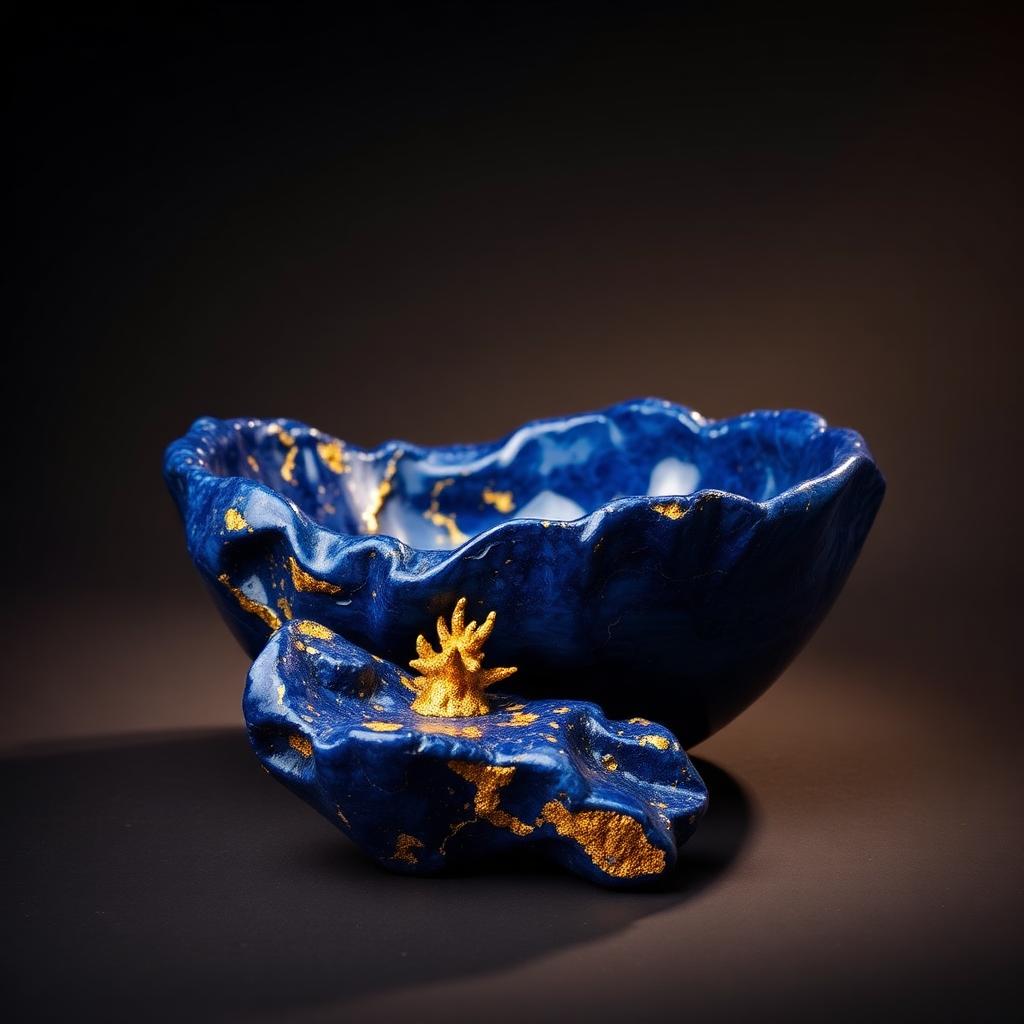
Vessels, figurines and decorative objects carved from single blocks. A tradition unbroken since the courts of the Sasanian empire.
The pigment that gilded the robes of Vermeer's Girl and Michelangelo's ceiling. Levigated by hand for painters and restorers.
Uncut boulders and hand-picked specimens direct from the Sar-i Sang mines. For collectors, lapidaries and studios.
Calibrated cabochons and matched bead strands, drilled and finished to jewelers' specification.
Coasters, boxes, worry stones and inlaid furniture panels — lapis for the home, cut with the discipline of a jeweler.
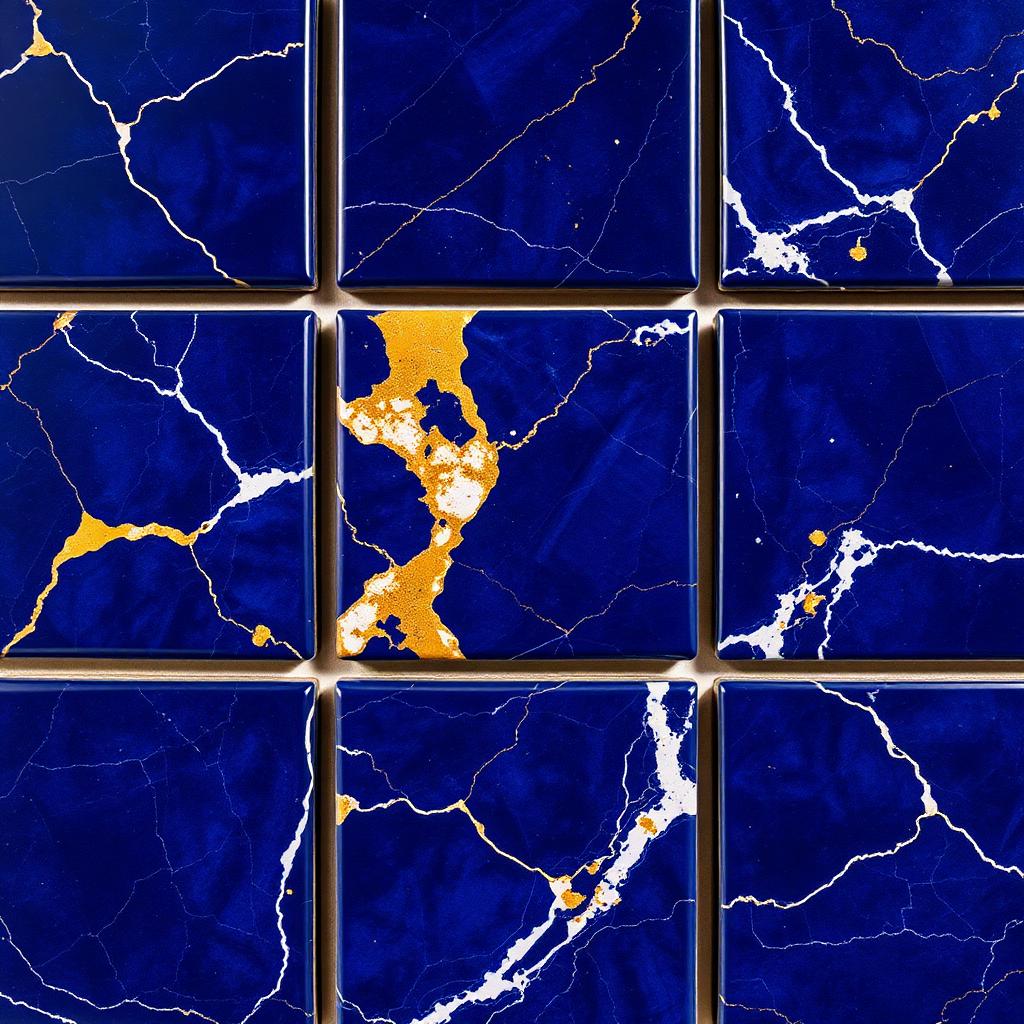
Polished lapis tiles and slabs for feature walls, floors, bathrooms and bar tops — a surface that turns any room into a chapel.
"It is a stone of stars and gold —
worth more than the price the merchants ask."
Write to us about bespoke pieces, gallery orders, or a single stone chosen from the seam.